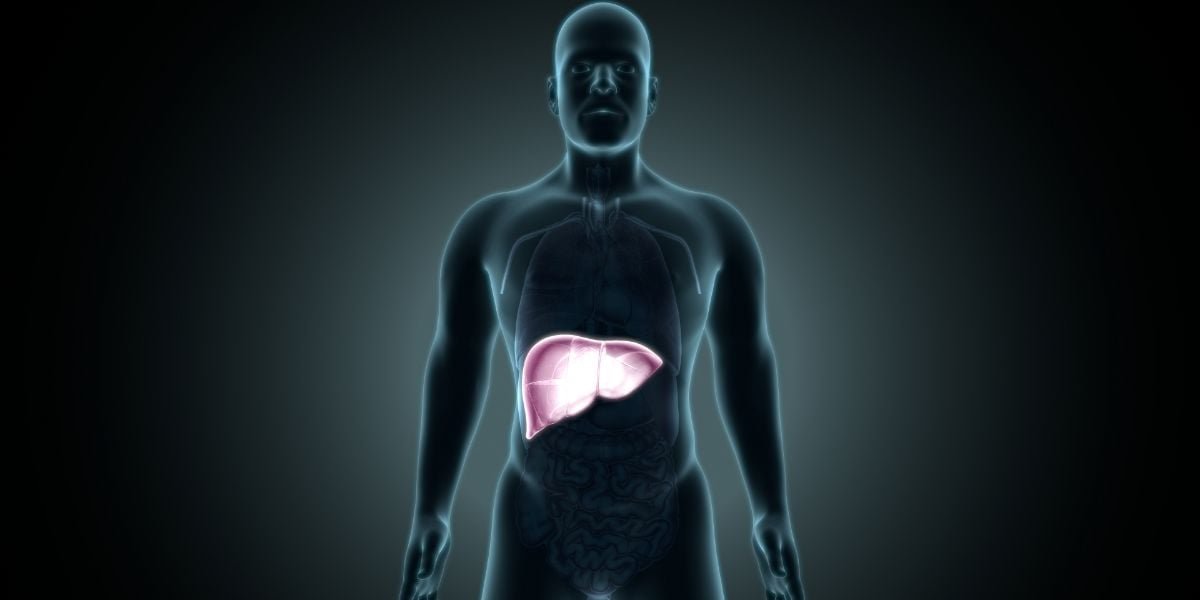
Understanding your hormones, your period, and the daily habits that support menstrual health.
TABLE OF CONTENTS
- The conversation most women never receive
- What is the estrogen-progesterone balance?
- What are the irregular period causes Nigeria women should understand?
- What do fenugreek, graviola, hibiscus, and cinnamon contribute?
- TFW vs WHC: which women’s programme makes sense?
- What should you expect and track?
- Frequently asked questions
The conversation most women never receive
Understanding the causes of irregular periods begins with a conversation many Nigerian women never had..
Perhaps your period comes when it wants. Perhaps the cramps are so painful that you have to cancel plans, miss work, or spend the first day curled up in bed. Maybe you received a PCOS diagnosis, went for a scan, and left the hospital with more questions than answers.
You are not imagining the frustration.
In many Nigerian consultations, the immediate priority is identifying a condition and deciding what needs medical attention. The explanation of how your hormones interact, what influences ovulation, and why your cycle changes may receive less attention.
But your menstrual cycle is more than a monthly inconvenience. It is a biological process involving your brain, ovaries, uterus, metabolism, and several hormones working together.
Understanding that process gives you a better starting point for understanding your body.
This is the conversation you deserve: without shame, without unnecessary alarm, and without pretending that every irregular cycle has the same explanation.
What is the estrogen-progesterone balance?
Estrogen and progesterone work together to prepare the uterus for pregnancy and regulate the menstrual cycle, but their levels naturally change throughout the month.
Estrogen rises during the first part of the cycle. It helps the uterine lining grow and supports the development of a follicle containing an egg.
Around ovulation, a surge in luteinising hormone (LH) helps trigger the release of the egg.
After ovulation, the follicle becomes the corpus luteum, which produces progesterone. Progesterone helps prepare and maintain the uterine lining during the second half of the cycle.
If pregnancy does not occur, progesterone and estrogen levels fall. The uterine lining sheds, and menstruation begins.
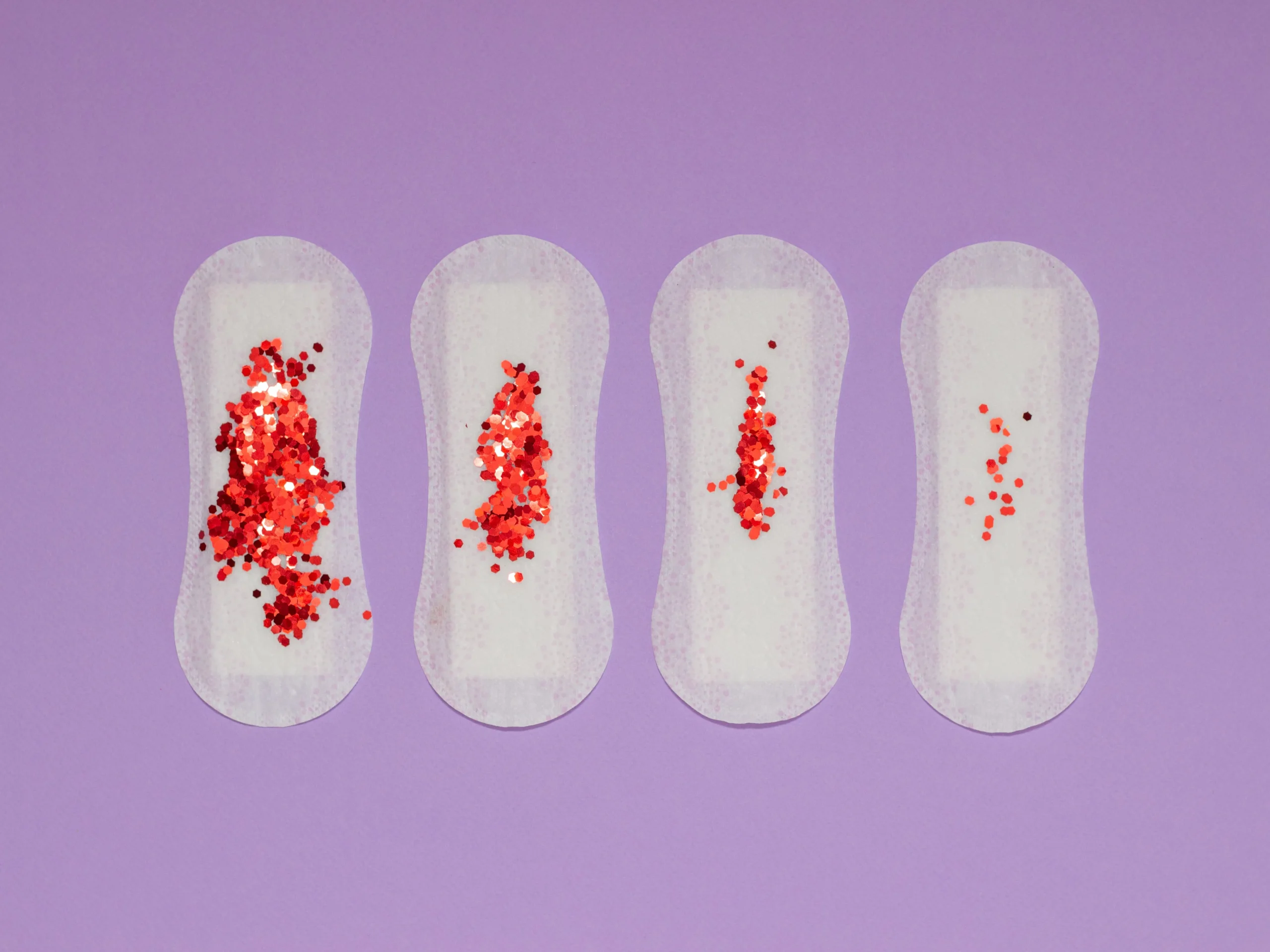
What does estrogen dominance actually mean?
Estrogen dominance is a popular wellness expression describing a situation where estrogen’s effects are relatively greater than progesterone’s effects.
However, it is not a single universally accepted diagnosis, and it does not explain every irregular period.
A woman may have relatively high estrogen, low progesterone because she is not ovulating, or hormone levels that are appropriate for one stage of her cycle but different at another.
This distinction matters.
For example, when ovulation does not happen, the body may not produce the usual post-ovulation progesterone rise. The uterine lining can continue developing under estrogen stimulation without the normal progesterone pattern.
That can contribute to unpredictable bleeding.
What influences this hormonal environment?
Several everyday and medical factors can influence the hormonal signals responsible for your cycle.
- Chronic stress: The hypothalamus in your brain helps coordinate reproductive hormone signalling. Prolonged stress can interfere with this signalling and affect ovulation.
- Insulin resistance: When the body responds less effectively to insulin, the pancreas may produce more of it. In some women with PCOS, elevated insulin contributes to increased ovarian androgen production and disrupted ovulation.
- Changes in body weight: Significant weight gain or loss can influence reproductive hormone signalling. Fat tissue also contributes to estrogen production.
- Nutritional inadequacy: Not eating enough to meet the body’s energy needs can suppress reproductive signalling.
- Thyroid disorders: Thyroid hormones influence several processes involved in menstruation and reproductive health.
These mechanisms help explain why irregular periods in Nigerian women can have several underlying causes.
The important point is that hormonal health is not simply about increasing estrogen or increasing progesterone. It is about understanding what your body is producing, how the hormones interact, and whether ovulation is occurring normally.
What causes irregular period in Nigeria women?
Irregular periods can arise from several different biological processes, and identifying the underlying cause is more useful than assuming every cycle needs the same hormonal support.
A typical menstrual cycle is often between 21 and 35 days in adults, although individual patterns vary. A cycle that repeatedly falls outside this range, changes significantly from month to month, or disappears deserves attention.
Here are four common patterns worth understanding.
1. PCOS and the insulin-androgen connection
Polycystic ovary syndrome (PCOS) is one of the commonest causes of irregular periods.
PCOS involves a combination of reproductive and metabolic changes. Some women have elevated androgen levels, irregular ovulation, insulin resistance, or a combination of these features.
Insulin resistance is particularly important.
When insulin levels remain elevated, they can stimulate the ovaries to produce more androgens. Higher androgen levels may interfere with the normal development of ovarian follicles and prevent regular ovulation.
Without consistent ovulation, the usual progesterone pattern may not occur. Menstruation can become infrequent, unpredictable, or absent for extended periods.
PCOS may also be associated with acne, increased facial hair, scalp hair thinning, or difficulty getting pregnant.
According to the World Health Organization’s PCOS fact sheet, PCOS is a common hormonal condition affecting approximately 10–13% of reproductive-aged women globally.
PCOS is not simply a problem of having ovarian cysts. A diagnosis involves evaluating symptoms, hormone findings, ovulation patterns, and other possible explanations.
2. Chronic stress and the brain-ovary connection
Your reproductive system does not operate independently of your nervous system.
The hypothalamus sends signals to the pituitary gland, which releases hormones that communicate with the ovaries. This is called the hypothalamic-pituitary-ovarian axis.
When stress becomes prolonged, the body may alter reproductive hormone signalling.
Imagine a Nigerian woman balancing demanding work, traffic in Lagos, financial pressure, family responsibilities, and very little sleep. Her body is not simply experiencing emotional stress. It is also responding physiologically.
Stress does not automatically cause an irregular period, and it should not be used to dismiss symptoms. But sustained stress can contribute to missed periods or delayed ovulation, particularly when combined with insufficient food intake, excessive exercise, or inadequate sleep.
3. Thyroid changes and other medical causes
The thyroid gland produces hormones that influence metabolism throughout the body.
When thyroid function is too low or too high, menstrual patterns may change. Some women experience heavier bleeding, irregular cycles, or absent periods.
Other possible causes include pregnancy, certain medications, hormonal contraception, premature ovarian insufficiency, and changes associated with perimenopause.
This is why guessing your hormone problem from symptoms alone can be misleading.
4. Painful periods and prostaglandins
Painful cramps have a different immediate mechanism from irregular ovulation.
During menstruation, the uterine lining releases compounds called prostaglandins. These compounds encourage the uterus to contract and help shed its lining.
When prostaglandin activity is particularly high, contractions may become stronger and more painful.
The result can include lower abdominal cramps, back pain, nausea, or diarrhoea.
However, severe period pain is not always ordinary menstrual cramping. Endometriosis, adenomyosis, and other conditions can also cause significant pain.
If pain interferes with your daily activities, becomes progressively worse, or does not respond to your usual care, consult your doctor.
Your symptoms are information. They are not a diagnosis.
What do fenugreek, graviola, hibiscus, and cinnamon contribute?
These herbs have different traditional uses and research profiles, but they should not be presented as interchangeable hormonal medicines.
Understanding their individual properties is important before considering a herbal routine.
Trigonella foenum-graecum – Dried organic fenugreek seeds in the bowl
Growing the Medicinal Soursop Tree – Treat Yourself to
DRIED HIBISCUS ZOBO – Icalfoods
In-body image alt text: Fenugreek, graviola, hibiscus and cinnamon botanical ingredients used in women’s wellness herbal blends.
Fenugreek: metabolic support and hormonal research
Fenugreek contains compounds that have been investigated for their effects on blood sugar regulation and estrogen receptor activity.
Some laboratory research suggests fenugreek compounds can interact with estrogen receptors. This does not mean fenugreek reliably lowers estrogen or corrects estrogen dominance in women.
Human evidence for menstrual benefits remains limited.
Fenugreek has also been investigated for its possible effects on glucose regulation. That area of research is relevant to understanding metabolic health, particularly because insulin resistance can contribute to PCOS.
Still, a herb’s activity in a laboratory does not automatically translate into a predictable hormonal outcome in the human body.
Graviola: traditional use and anti-inflammatory research
Graviola, also called soursop, is familiar to many Nigerian households.
Its leaves have a long history of traditional use. Researchers have also investigated graviola compounds for anti-inflammatory and other biological activities.
However, evidence that graviola regulates menstrual cycles or safely changes uterine tissue in women is insufficient.
Graviola should not be described as a proven hormonal regulator. Some preparations may also carry safety concerns, particularly with prolonged or concentrated use.
Hibiscus: the familiar Zobo connection
Hibiscus is perhaps the most familiar ingredient on this list.
Many Nigerians know it as Zobo, usually prepared from the dried calyces of Hibiscus sabdariffa.
Hibiscus contains anthocyanins and other polyphenols that have antioxidant activity. Research has also examined its effects on blood pressure and metabolic markers.
That does not establish that drinking hibiscus tea regulates menstrual flow or reduces menstrual cramps.
Zobo can still be enjoyed as part of a balanced dietary routine. The key is not to confuse its nutritional and botanical properties with evidence of a specific menstrual outcome.
Cinnamon: why insulin sensitivity matters
Cinnamon has attracted research interest because some studies suggest it may influence blood glucose regulation.
This is relevant to women with PCOS because insulin resistance can contribute to elevated androgen levels and irregular ovulation.
A small preliminary clinical trial published in American Journal of Obstetrics and Gynecology investigated cinnamon supplementation and menstrual cyclicity in women with PCOS.
The findings suggested possible improvement in cycle frequency, but the study was small. It does not establish cinnamon as a replacement for PCOS care.
You can read the study on PubMed: Cinnamon and menstrual cyclicity in PCOS.
What does this mean for herbal support?
Herbs can be part of a thoughtful wellness routine, but the evidence differs considerably between ingredients.
A responsible approach considers:
- The amount of each ingredient in the preparation.
- Whether the formulation has been studied in humans.
- Whether the person taking it has an existing medical condition.
- Whether the herbs interact with medications.
- Whether pregnancy is possible or being planned.
If you have PCOS, persistent irregular periods, or another diagnosed condition, consult your doctor before introducing herbal supplements.
No tea should be expected to correct every hormonal mechanism.
TFW vs WHC: which women’s programme makes sense?
The difference between TFW and WHC is the level of support each programme is designed to provide within a women’s wellness routine.
Both are Friska options, but they are not identical in structure.
TFW: the daily foundation
Friska’s TFW (Tea for Women) is positioned as a daily herbal wellness tea for women who want to build a consistent routine around their menstrual and general reproductive wellness.
The idea is simple: establish a daily habit rather than relying on occasional use whenever symptoms become uncomfortable.
For women interested in exploring TFW, the product information is available at Friska TFW.
Consistency is useful when building any wellness habit. However, it is important to understand that consistent tea consumption does not guarantee regular ovulation or predictable menstruation.
If your period has been absent for months, your cramps are severe, or you have been diagnosed with PCOS, daily tea should complement—not replace—medical assessment and monitoring.
WHC: a structured women’s wellness programme
The Women’s Hormone and Cleanse (WHC) programme is positioned as a more structured option for women interested in combining internal cleansing support with a women’s wellness routine.
It is particularly relevant to Friska’s programme positioning for women who have experienced recurring intimate health concerns alongside menstrual irregularity.
The underlying idea is that women’s wellness involves more than one daily habit. Nutrition, hydration, hygiene, sleep, stress management, and appropriate medical care all contribute to the bigger picture.
However, recurring vaginal infections need proper diagnosis. An infection may require specific antimicrobial treatment, and herbal cleansing cannot be assumed to clear it.
If an infection repeatedly returns, consult your doctor rather than repeatedly self-medicating.
A Black woman holding a white cup with a drink in her hand.
Where does the programme fit into real life?
For many Nigerian women, a routine needs to be practical enough to maintain.
It might mean preparing your tea after dinner, keeping a simple menstrual calendar, drinking enough water during the day, and making time for meals even when work is demanding.
The goal is not to build a complicated wellness schedule that becomes another source of stress.
It is to create a routine that supports the habits your body depends on while ensuring that medical concerns receive the attention they deserve.
Tea for Women Carton (8 cases of 6 packs)
TFW — Tea for Women
Daily women’s herbal wellness tea
₦5,000
Women’s Hormone and Cleanse (WHC)
Structured women’s wellness programme
₦45,000 paper bag · ₦65,000 gift box
Mid-article CTA: Explore the Women’s Hormone and Cleanse programme at friskatea.com — ₦45,000 for the paper bag option with POD, or ₦65,000 for the gift box with prepaid payment. These products are wellness supplements, not substitutes for treatment of hormonal disorders or infections.
What should you expect and track?
The most useful way to understand your menstrual health is to observe your cycle consistently and discuss meaningful changes with a qualified healthcare professional.
Rather than expecting a particular number of days before your period changes, start by establishing what your cycle currently looks like.
What should you record every month?
Kostenloser Zykluskalender zum Download | DOLORMIN®
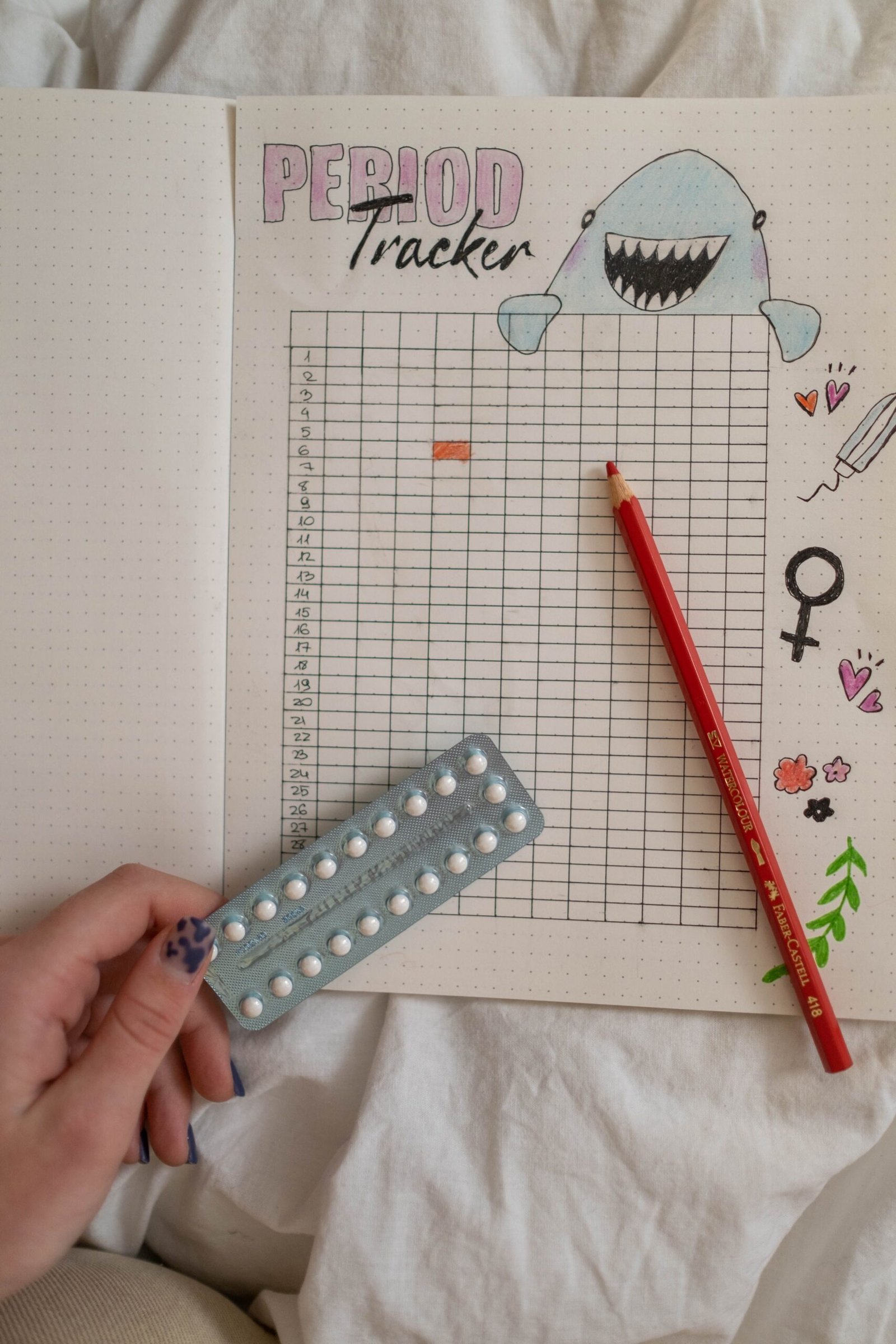
Keep a simple record of:
- Cycle length: Count from the first day of one period to the first day of the next.
- Bleeding duration: Record how many days bleeding lasts.
- Flow: Note whether it is lighter, heavier, or different from your usual pattern.
- Pain: Rate cramps from 0 to 10 and record whether they interfere with daily activities.
- Other symptoms: Include acne changes, unusual fatigue, headaches, or changes in facial hair.
- Lifestyle changes: Note major changes in stress, sleep, exercise, or eating patterns.
This information can help your doctor identify patterns that may not be obvious during a short consultation.
How long does it take for an irregular cycle to become regular?
There is no reliable universal timeline.
A cycle affected by stress, nutritional changes, thyroid dysfunction, PCOS, or another condition may respond differently depending on the underlying cause.
Two or three months of tracking can provide useful information about your pattern, but it should not be treated as a guaranteed period for herbal products or lifestyle changes to regulate menstruation.
If your cycle has been absent for three months or longer without explanation, arrange a medical assessment rather than waiting for a wellness programme to work.
When should you consult your doctor?
Please seek medical advice if:
- Your period repeatedly comes less than 21 days apart or more than 35 days apart.
- You go three months without menstruation and are not pregnant.
- Bleeding lasts longer than seven days.
- You experience severe cramps or pelvic pain.
- You bleed between periods or after sex.
- Your bleeding is unusually heavy, especially if you feel dizzy or faint.
- You have irregular periods alongside new facial hair, significant acne, or unexplained weight changes.
- You are trying to conceive and your cycles are unpredictable.
If pregnancy is possible, take a pregnancy test when appropriate. A missed period is not automatically a hormonal imbalance.
If you have a confirmed condition, maintain your scheduled medical reviews. Consult your doctor before using herbal supplements alongside prescribed medication, particularly if you have diabetes, take hormonal medication, or are pregnant or breastfeeding.
Menstrual health deserves proper medical attention, not just a new tea routine.
Frequently asked questions
1. What are the most common irregular period causes in Nigeria?
Irregular periods may be associated with PCOS, thyroid disorders, pregnancy, stress, significant weight changes, nutritional inadequacy, or hormonal contraception. Some women experience irregular cycles during adolescence or perimenopause. The cause cannot be determined from symptoms alone. If your cycle repeatedly changes or menstruation stops for months, consult your doctor for appropriate assessment.
2. Can hormonal imbalance cause painful periods?
Hormonal changes can influence menstrual pain, but painful periods are not always caused by hormonal imbalance. Prostaglandins released by the uterine lining encourage contractions during menstruation. Excessive activity can contribute to cramps. Endometriosis and adenomyosis can also cause significant pain. Severe or worsening cramps deserve medical evaluation.
3. Can PCOS cause irregular periods even when I have no ovarian cysts?
Yes. PCOS does not require visible ovarian cysts for diagnosis. Healthcare professionals assess features such as irregular ovulation, elevated androgen levels, and ovarian appearance while excluding other conditions. Some women with PCOS have no obvious ovarian changes on ultrasound. A proper assessment is more reliable than diagnosing PCOS from one symptom.
4. Can herbal tea help regulate irregular periods?
Some herbs have been investigated for metabolic or reproductive effects, but evidence varies considerably. Herbal tea cannot reliably regulate every menstrual disorder or replace medical care. If you have PCOS, persistent irregular cycles, or take medication, consult your doctor before using herbal supplements. Choose products with clear ingredients and responsible health claims.
5. How can I support hormonal balance naturally?
Consistent meals, adequate nutrition, regular physical activity, sufficient sleep, and stress management support general metabolic and reproductive health. Tracking your menstrual cycle also helps you recognise changes. These habits do not guarantee regular periods, especially when an underlying condition is present. Persistent irregularity, absent menstruation, or severe pain should be assessed medically.
Your cycle is telling you something. Start by understanding it.
Your menstrual cycle is not simply an inconvenience to manage around. It reflects a biological process involving your brain, ovaries, hormones, metabolism, and uterus.
Understanding the irregular period causes Nigeria women experience is the first step towards making informed decisions about their health.
You do not have to accept severe pain as normal. You do not have to feel embarrassed about asking questions. And you do not have to choose between everyday wellness habits and proper medical care.
You deserve both.
Start with the basics: understand your cycle, track your symptoms, nourish your body, and seek medical guidance when something changes.
Explore Friska women’s wellness
KWOT – Amazing Africa. Now, delivered at your doorstep
TFW — Tea for Women
Daily women’s herbal wellness tea
₦5,000
Friska Tea For Women – 25 Tea Bags | 6128537 | Konga Online Shopping
WHC — Women’s Hormone and Cleanse
Structured women’s wellness programme
₦45,000 paper bag · ₦65,000 gift box
Pay on delivery available for the paper bag option.
WhatsApp: +234 907 197 2668 | friskatea.com/shop
This article is for educational purposes only. It does not diagnose or treat any medical condition and does not replace advice from a qualified healthcare professional. Friska Herbal Teas products are supplements, not substitutes for prescribed care.