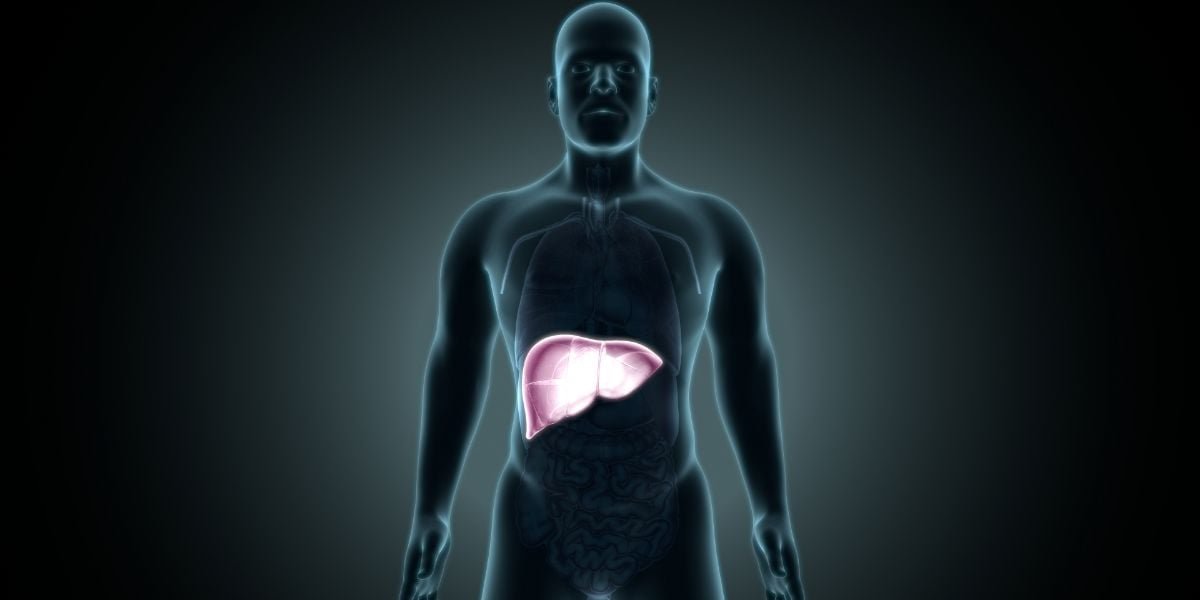
Your fasting number is high, yet you ate nothing since last night. Here is the part no diet chart explains: the liver produces sugar stress hormones can push even higher, and none of it needs a single grain of rice.
Many Nigerians managing blood sugar watch the rice, the swallow, and the soft drinks. That is the right instinct. But there is a second source of glucose inside your own body, and it responds to how your week is going.
In this guide, we will call it the liver produces sugar stress effect. You will learn three essential facts: what it is, why it shows up in your morning reading, and which daily habits can help.
Why the Liver Produces Sugar Stress Cannot Switch Off Alone {#why-the-liver-produces-sugar}
Your liver makes glucose because your brain cannot go hours without it.
Between meals and overnight, the liver keeps your blood sugar steady in two ways. First, glycogenolysis: it breaks down glycogen, the sugar it stored after your last meal. Second, gluconeogenesis: it builds brand-new glucose from raw materials such as amino acids and lactate.
Hormones decide how hard the liver works. Glucagon pushes it to release glucose when you are fasting. Insulin applies the brake after meals.
This is normal and necessary. Your brain and red blood cells depend on that supply during sleep, fasting, and long gaps between meals.
Think of it as a generator in a Lagos compound. When NEPA takes light, the generator switches on so the house keeps running. When power returns, the generator is meant to switch off.
Insulin plays the role of NEPA returning. After you eat, insulin tells the liver to stop releasing glucose. In a healthy person, the handover is smooth.
So the fact that the liver produces sugar is not a malfunction. The trouble begins only when the off switch stops working, and when something keeps pressing the on switch.
Here is the simple picture:
- Fasting or between meals: glucagon rises, and the liver releases glucose.
- After a meal: insulin rises, and the liver slows down.
- Under stress: cortisol and adrenaline rise, and the liver releases glucose again.
That third line is the one most people never hear about. It is the heart of the liver produces sugar stress effect.
How the Liver Produces Sugar Stress Hormones Amplify {#stress-hormones-amplify}
Daily stress turns the dial up because cortisol and adrenaline both tell your liver to release more glucose.
Cortisol enters liver cells and activates the glucocorticoid receptor. That switches on genes for two gluconeogenic enzymes, PEPCK and glucose-6-phosphatase, so the liver builds and releases more glucose. Adrenaline adds to this by triggering glycogen breakdown.
In a controlled human study published in Clinical Science, a high-dose cortisol infusion alone increased glucose production by stimulating gluconeogenesis. The authors noted that smaller rises in cortisol may also contribute to the abnormal glucose handling seen in metabolic syndrome.
This system was built for physical danger. A cortisol surge once meant you needed fuel to run or fight. Your muscles burned the glucose, and the loop closed.
Today, the threat is Third Mainland Bridge traffic, a deadline, school fees, rent, and the generator budget. The glucose is released anyway, and there is no sprint to burn it off.
Show Image
Because this stress is daily and low-grade, the push on your liver is steady, not occasional. Poor sleep raises cortisol further, so a stressful day followed by a short night compounds the effect.
Over weeks, the pancreas has to release extra insulin to clear glucose that came from your own liver, on top of the glucose that came from your plate. For someone who is already insulin resistant, that extra load adds up.
None of this is a personal failing. The liver produces sugar stress response is a survival design, not a flaw. It is biology doing what it was designed to do, in a world it was not designed for.
For the festive-season angle, see our guide on stress hormones and blood sugar in October.
Why Does My Fasting Blood Sugar Stay High Even When I Eat Light? {#high-fasting-blood-sugar}
Fasting blood sugar stays high because an insulin-resistant liver keeps releasing glucose overnight, even when dinner was small.
How Insulin Resistance Blunts the Off Switch
When cells become insulin resistant, the liver stops fully hearing insulin’s stop signal. It keeps running gluconeogenesis through the night and into the early morning. Your fasting reading climbs even after a light dinner.
This is why two people can eat the same dinner and wake up with very different numbers. The difference is often how well the liver responds to the stop signal. In plain terms, the liver produces sugar stress and insulin resistance reinforce each other.
What Happens When the Liver Produces Sugar Stress and Short Sleep Combined?
Cortisol pushes production up while insulin resistance weakens the brake. The liver gets mixed signals, and the result is a higher morning number. This is why people who eat carefully can still wake up to a reading that surprises them.
This also explains why many diabetes medications, including Metformin, work partly by reducing how much glucose the liver releases. If you take Metformin or any prescribed medication, keep taking it and consult your doctor before changing anything.
Your fasting reading matters for another reason. It is the clearest everyday window into what your liver is doing overnight. Checking it monthly, and sharing the results with your doctor, gives you real information instead of guesswork.
If your doctor has called your numbers borderline, our guide to the pre-diabetes blood sugar window explains why timing matters.
What Is the Dawn Phenomenon and Does It Matter? {#dawn-phenomenon}
The dawn phenomenon is the natural early-morning rise in cortisol and other hormones that prompts the liver to release glucose before you wake.
Cortisol follows a daily rhythm. It is lowest around midnight and climbs in the early hours, preparing your body to get up. In a healthy person, a small rise in insulin keeps that glucose release in check.
When insulin response is weaker, the same hormone rise produces a bigger glucose release. You wake up with a high reading and no obvious cause.
Stress and short sleep can exaggerate this pattern. When the liver produces sugar stress and early-morning cortisol arrive together, the reading can jump. A late night, a heavy workload, or a restless night on a hot Lagos evening can shift your cortisol rhythm. This is the liver produces sugar stress effect at its most visible: a louder signal at the exact moment you check your meter.
This does not mean something is wrong with you. It means your morning number reflects hormones, sleep, and stress as much as last night’s dinner.
If your fasting readings stay high week after week, share them with your doctor. A pattern is far more useful than a single reading.
Which Nigerian Habits Quietly Add to the Load? {#nigerian-habits}
Everyday habits across Nigeria can quietly increase the glucose your liver has to manage, especially late-night eating, alcohol, and poor sleep.
Here are the common ones:
- Late dinners. Eba, pounded yam, or a large plate of jollof rice eaten at 10 pm sends glucose into your blood just as your liver is preparing its overnight shift.
- Alcohol at owambe season. Alcohol disrupts how the liver handles glucose overnight, which can leave morning numbers higher or unpredictable.
- Sugary drinks. A soft drink or packaged juice adds a fast glucose spike on top of whatever your liver is already releasing.
- Short sleep. Between generator noise, heat, and early commutes, many people sleep too little, and cortisol rises further as a result.
- Constant background stress. Fuel prices, rent, school fees, and traffic keep cortisol up for weeks, not minutes.
Notice that only some of these are about food. The rest are about rhythm, rest, and pressure. Each one feeds the liver produces sugar stress cycle.
That is why a strict diet alone does not always bring the morning number down. When the liver produces sugar stress and poor sleep both add to the load, the plate is only part of the story.
The Good News: This Is a Lever You Can Pull {#the-good-news}
Small daily habits can help calm the signals that push your liver to over-produce glucose. Since the liver produces sugar stress and sleep habits belong in the plan, not at the edges.
Walk for 20 to 30 minutes. Muscles pull glucose from the blood during movement, which lightens the load on insulin.
Keep a regular bedtime. Consistent sleep helps keep cortisol rhythms steadier.
Eat dinner earlier and lighter, especially during the owambe season in Lagos and across Nigeria. A gap of two to three hours before bed gives your body time to process the meal.
Give yourself a few minutes of real downtime, without your phone. Slow breathing, a short prayer, or quiet music all count.
Drink enough water through the day. Dehydration can make blood glucose readings look higher.
Better sleep and calmer evenings directly target the liver produces sugar stress effect, which is why they matter as much as diet.
None of this needs to be dramatic. Pre-diabetes is often reversible, and the liver side of the equation responds to lifestyle changes more readily than many people expect. We cannot promise results, and these habits work best alongside medical care.
Can Friska Anti-Diabetic Tea Help Support Your Routine? {#friska-adt}
Friska Anti-Diabetic Tea (ADT) is a daily herbal support formulated to assist with blood sugar balance, not a replacement for prescribed care.
You now understand the problem: the liver produces sugar stress adds to, and insulin does not always switch it off. Each herb in the blend is chosen for a specific mechanism that relates to it:
- Cinnamon bark: cinnamaldehyde and polyphenols are studied for supporting insulin signalling and glucose uptake in cells. This relates to the “off switch” problem.
- Moringa (Zogale): compounds such as chlorogenic acid and isothiocyanates are studied for helping support healthy glucose absorption after meals.
- Turmeric: curcumin helps support the body against inflammation and oxidative stress linked to insulin resistance.
- Ginger: gingerols help support metabolism and ease the low-grade inflammation that often travels with insulin resistance.
Friska Anti-Diabetic Tea helps support healthy blood sugar balance every day. friskatea.com/shop/adt
Be clear about the scope. ADT works alongside diet, movement, sleep, and medical care. It does not replace any of them, and it is designed to support the body while you address the liver produces sugar stress effect through lifestyle.
An evening cup can also double as a calm end-of-day ritual. Warm, unsweetened, and caffeine-free, it supports the evening routine that sets up the overnight period.
A Practical Daily Protocol {#daily-protocol}
A simple protocol is one evening cup of ADT, a consistent bedtime, and a monthly fasting check.
- Drink one cup of ADT in the evening, every day. A second cup in the morning before meals is optional.
- Brew one teabag in hot water for 3 to 5 minutes. Sweeten with honey only if needed. No sugar, no milk.
- Keep at least a 2-hour gap from any diabetes medication. If you take Metformin or similar, consult your doctor first.
- Do not use ADT if you have low blood sugar (hypoglycemia). If you are pregnant, consult your doctor first.
- Check your fasting glucose once a month and share the results with your doctor.
- Add one stress-reducing habit and a regular sleep time.
- Many customers pair ADT with Wellness Tea (WNT) for daily immune support, taken at a different time of day, at least an hour apart.
Think of this protocol as a daily answer to the liver produces sugar stress effect: calmer evenings, steadier sleep, and measured readings.
Give it time. Herbs build up gradually, and many customers notice improvement within 2 to 3 weeks of consistent daily use.
When Should You Speak to Your Doctor? {#see-your-doctor}
You should speak to your doctor if your fasting readings stay high, if you feel unwell, or before you add any herbal tea to a medication plan.
Friska is a supplement, never a replacement for prescribed care. Your doctor can check your fasting glucose, HbA1c, and medication, and tell you whether your numbers need action.
Book a visit sooner if you notice any of the following:
- Persistent thirst or frequent urination
- Unusual tiredness or blurred vision
- Fasting readings that stay high for several weeks
- Dizziness, shakiness, or sweating, which can signal low blood sugar
Take your monthly readings with you. Mention your stress and sleep too, since the liver produces sugar stress link can influence those numbers. That turns a short appointment into a useful conversation.
Final Thoughts: Start Small and Keep Your Doctor in the Loop {#final-thoughts}
You can do everything right at the dinner table and still wake up to a number that surprises you. Now you know why: the liver produces sugar stress turns up the volume, and managing blood sugar means looking at both.
Your liver has a say, and stress has a say in what your liver does. Start small, stay consistent, and keep your doctor in the loop.
Frequently Asked Questions {#faq}
Does stress raise blood sugar even if I haven’t eaten?
Yes. The liver produces sugar stress hormones such as cortisol and adrenaline push higher, and no food is needed. Cortisol activates liver genes for gluconeogenesis, so glucose enters the blood even while fasting. If high readings persist, consult your doctor.
Why is my fasting blood sugar high in the morning?
Morning highs often happen because the liver releases glucose overnight. When cells are insulin resistant, the liver does not fully hear the stop signal. Stress and short sleep raise cortisol, so the liver produces sugar stress hormones push higher. Track your fasting readings and consult your doctor for a proper review.
Can the liver make sugar when you are fasting?
Yes. During fasting, the liver first releases stored glycogen, then makes new glucose through gluconeogenesis from amino acids and lactate. This keeps your brain supplied and is a normal function. It becomes a concern when insulin resistance stops the liver from switching off after meals.
Can I take Friska Anti-Diabetic Tea with Metformin?
Keep taking your prescribed Metformin, because Friska Anti-Diabetic Tea is a supplement, not a replacement. Take ADT at least 2 hours after your medication, and consult your doctor before starting. Do not use it if you have low blood sugar.
How long does Friska Anti-Diabetic Tea take to work?
Many customers notice improvement within 2 to 3 weeks of consistent daily use, though experiences vary. ADT helps support blood sugar balance alongside diet, movement, sleep, and medical care. Track your fasting glucose monthly and share the readings with your doctor.