You wake up feeling comfortable in your clothes. By afternoon, your stomach feels tight, your waistband feels uncomfortable, and you are wondering what happened between breakfast and now.
If you have been searching for how to reduce bloating naturally, you are probably tired of feeling uncomfortable after ordinary meals. Perhaps you have tried eating less, drinking more water, or avoiding certain foods, only for the bloating to return.
You are not alone. Many Nigerians experience bloating after meals, during stressful workdays, or following periods of irregular eating. It can be uncomfortable, frustrating, and sometimes embarrassing.
The important thing is understanding what your body may be responding to.
Bloating does not automatically mean you have gained weight. It does not necessarily mean your body is full of toxins, either. In many cases, it is connected to gas, constipation, eating habits, food sensitivities, or digestive conditions.
This guide explains what causes bloating, practical habits that may help, what research says about ginger, and how Friska’s 25-Day Detox Programme fits into a structured herbal wellness routine.
Table of Contents
- How to Reduce Bloating Naturally: Start With Understanding Your Gut
- Why Does Bloating Keep Coming Back?
- Why Eating Clean for One Week May Not Be Enough
- How to Reduce Bloating Naturally: 5 Daily Habits That Help
- Does Ginger Help With Bloating? What the Research Says
- How to Reduce Bloating Naturally With a 25-Day Programme
- Not Ready for the Full Programme? Start With One Cup
- When Should You See a Doctor About Bloating?
- Why Start Before December?
- What Does a Bloating-Friendly Day Look Like?
- Frequently Asked Questions About Bloating
- Ready to Build a Better Digestive Routine?
How to Reduce Bloating Naturally: Start With Understanding Your Gut
The first step in understanding how to reduce bloating naturally is recognizing that bloating is a symptom, not a diagnosis.
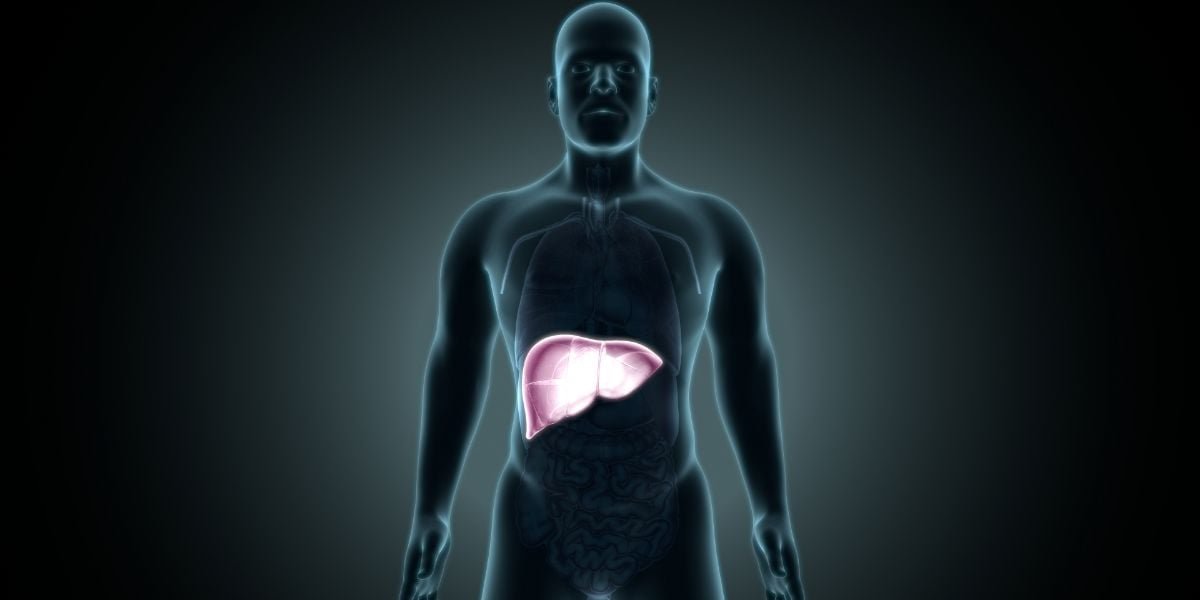
Bloating is the uncomfortable feeling of fullness, pressure, or swelling in your abdomen. Sometimes your stomach visibly expands. Sometimes it simply feels tight.
One common contributor is gas.
Your digestive system naturally produces gas as food moves through your intestines. Certain carbohydrates and fibre-rich foods are fermented by bacteria in the gut. This fermentation produces gas, which may contribute to discomfort.
You may also swallow air when eating too quickly, drinking fizzy beverages, or chewing gum.
Another contributor is constipation. When stool moves slowly through the intestines, you may experience increased fullness, discomfort, and difficulty passing gas.
For some people, bloating is associated with food intolerances, irritable bowel syndrome (IBS), or other digestive conditions.
This is why the answer is not always simply to eat less. Understanding your triggers and supporting normal digestive function is a more useful starting point.
Why Does Bloating Keep Coming Back?
Bloating often returns because several everyday habits may be contributing to digestive discomfort at the same time.
1. Eating too quickly
Between morning traffic, meetings, errands, and deadlines, many people barely have time to eat.
You finish lunch in minutes, sometimes while working.
Eating quickly can cause you to swallow more air. It may also make you less aware of how full you are, leaving you uncomfortable after meals.
2. Skipping meals and eating heavily at night
A typical busy day might involve tea in the morning, a small snack in the afternoon, and one very large meal at night.
Think of the late dinner after hours in Lagos traffic. You arrive home hungry and eat quickly because you have been waiting all day.
Large meals can leave you feeling excessively full, particularly when you eat shortly before going to bed.
3. Too many fizzy drinks
Soft drinks, sparkling beverages, and other carbonated drinks introduce gas into your digestive system.
If you already experience frequent bloating, reducing carbonation may help you feel more comfortable.
4. Constipation
Sometimes the issue is not what you ate but how regularly your bowels move.
Constipation can cause abdominal fullness, discomfort, and bloating.
If you frequently strain, pass hard stools, or feel that you have not emptied your bowels completely, addressing constipation may be more helpful than trying another tea.
5. Stress and irregular routines
Your gut and brain communicate constantly through what scientists call the gut-brain axis.
Stress can influence digestive movement and sensitivity. That means some people experience more discomfort during demanding periods, even when their meals have not changed significantly.
Understanding these patterns is an important part of learning how to reduce bloating naturally.
Why Eating Clean for One Week May Not Be Enough
Eating healthier can support digestive wellbeing, but it may not address every cause of bloating.
You reduce fried foods, drink more water, and avoid late-night snacks. For a few days, everything feels promising. Then the bloating returns.
This can happen because digestive symptoms are influenced by several factors, not just the quality of your meals.
Your eating speed, bowel habits, stress levels, food sensitivities, and underlying digestive conditions can all contribute.
For example, someone who experiences bloating after consuming milk may continue feeling uncomfortable despite eating otherwise nutritious meals.
Someone with constipation may need to address bowel regularity rather than simply eliminate sugar.
And someone with persistent symptoms may need medical assessment.
The goal is not to punish your body with increasingly restrictive diets. It is to understand what it needs and build habits you can maintain.
How to Reduce Bloating Naturally: 5 Daily Habits That Help
Five practical habits can help you build a more comfortable digestive routine without completely reorganising your life.
Before buying another supplement or starting an elaborate wellness routine, consider these steps.
1. Slow down when eating
Give yourself time to chew.
Instead of rushing through lunch at your desk, pause for a few minutes and eat without distractions where possible.
Eating more slowly may reduce swallowed air and help you recognise when you are comfortably full.
2. Take a short walk after meals
You do not need an intense workout.
A gentle ten-minute walk after lunch or dinner can support normal digestive movement and may help some people feel less uncomfortable after eating.
Even a walk around your office compound counts.
3. Pay attention to your dinner timing
If you regularly eat very large meals late at night, experiment with smaller portions or earlier meals when practical.
When traffic makes an early dinner impossible, consider having a balanced snack earlier in the evening so you are not arriving home excessively hungry.
4. Reduce fizzy drinks
Try replacing soft drinks with still water for a few days.
Notice whether your symptoms change.
You do not need to eliminate every enjoyable food or drink forever. Start by identifying what makes a difference.
5. Support regular bowel movements
Drink water throughout the day, stay physically active, and include fibre-rich foods in your diet.
Examples include oats, vegetables, fruits, beans, and other foods you tolerate comfortably.
Increase fibre gradually. Suddenly eating much more fibre can actually worsen gas and bloating in some people.
These five habits are a practical foundation for how to reduce bloating naturally without completely reorganising your life.
Does Ginger Help With Bloating? What the Research Says
Ginger is one of the most familiar ingredients in traditional digestive wellness.
It is used in teas, meals, and home remedies across many cultures, including Nigeria. But what does research actually suggest?
Ginger contains active compounds called gingerols and shogaols. Research suggests that ginger may influence gastric motility, including how quickly food moves out of the stomach.
A published review in the European Review for Medical and Pharmacological Sciences discusses ginger’s potential effects on gastric emptying and digestive activity.
Read the research here:
Research on ginger and gastrointestinal function — PubMed
However, there is an important distinction.
Helping the stomach empty more quickly does not automatically mean ginger will eliminate bloating in every person.
Some people may find ginger tea comforting as part of their daily routine. Others may notice little difference.
Ginger can also cause heartburn or irritation in some people, particularly when consumed in concentrated amounts.
So, if you are exploring how to reduce bloating naturally, ginger is worth understanding as a potential supportive ingredient, not a guaranteed solution.
Why Friska Uses Lemon and Ginger Tea
Friska’s Lemon and Ginger Tea (LGT) combines two familiar ingredients in a simple daily tea ritual.
For someone who enjoys herbal tea, it can be an enjoyable way to establish a consistent morning routine.
The important thing is to approach it realistically.
A cup of ginger tea is not a replacement for balanced meals, adequate hydration, regular movement, or medical treatment when necessary.
It is one possible addition to everyday wellness habits.
How to Reduce Bloating Naturally With a 25-Day Programme
Sometimes, what people need most is structure, not another complicated diet, not a list of twenty habits they are expected to change overnight. Just a clear routine they can follow consistently.
This is the thinking behind Friska’s 25-Day Detox Programme (DTP).
The programme brings together four phase packs, a printed guide, and WhatsApp coaching to help customers follow a structured herbal tea routine.
Rather than trying to figure out everything independently, you have a programme with a defined sequence.
Phase 1: Days 1–6 — Digestive Activation
Lemon and Ginger Tea (LGT)
The first phase introduces Lemon and Ginger Tea.
Ginger is traditionally used to support digestion, and research suggests it may influence gastric emptying.
This phase gives customers an opportunity to establish a consistent tea routine while paying attention to their eating habits and digestive comfort.
Some customers report feeling more comfortable during this period, although individual experiences vary.
Phase 2: Days 7–12 — Metabolic Support
WLT
By the second phase, the programme introduces WLT as part of Friska’s broader metabolic wellness routine.
This stage builds on the consistency established during the first six days, helping customers maintain their herbal tea ritual as they progress through the programme.
The focus is on supporting a more intentional wellness routine while remaining mindful of everyday habits such as hydration, balanced meals, and physical activity.
With the printed guide and WhatsApp coaching, customers have support as they move from one phase to the next.
Phase 3: Days 13–18 — Antioxidant Support
GRT + CHT
By Days 13–18, the programme introduces GRT and CHT, bringing antioxidant-rich herbal ingredients into your daily tea routine.
But what exactly do antioxidants do for your body?
Every day, your body produces unstable molecules called free radicals through normal processes such as metabolism. When these molecules accumulate excessively, they can contribute to oxidative stress, which may damage cells over time.
Antioxidants help protect your body’s cells against oxidative damage by neutralising free radicals or supporting the body’s natural antioxidant defence systems.
This matters because protecting cells from excessive oxidative stress supports overall cellular health and normal body function.
This phase features ingredients associated with antioxidant activity, including catechins and hibiscus, popularly known as zobo in Nigeria.
As you continue through Days 13–18, GRT and CHT become part of your daily herbal wellness routine, with the printed guide and WhatsApp coaching helping you stay consistent.
Phase 4: Days 19–24 — Balance and Consolidation
The final phase brings the programme toward completion.
Customers continue following the prescribed sequence, using the printed guide to understand which pack belongs to each stage.
This is also an opportunity to reflect on the habits introduced during the programme.
Have you been eating more slowly?
Are you drinking more water?
Have you noticed whether certain foods trigger discomfort?
Are your bowel movements becoming more regular?
These observations are useful because they help you understand your own digestive patterns beyond the programme itself.
Day 25: Completing the Programme
Day 25 marks the completion of the structured routine.
The programme includes all four phase packs, a printed guide, and WhatsApp coaching.
The purpose of that support is to make the sequence easier to follow without having to guess which tea comes next.
Friska’s 25-Day Detox and Metabolism Reset is available at ₦45,000 in a paper bag, with pay-on-delivery nationwide.
Explore the 25-Day Detox Programme
Not Ready for the Full Programme? Start With One Cup
You do not have to begin with an elaborate routine.
If you enjoy ginger tea, starting with one cup may feel more manageable.
Friska’s Lemon and Ginger Tea is available as a standalone product for ₦4,000.
You can incorporate it into your morning routine if you tolerate ginger comfortably.
However, you do not need to drink ginger tea on an empty stomach for it to be beneficial. Some people may actually find it more comfortable with food.
Start with a modest amount, pay attention to how you feel, and avoid using it as a substitute for medical care.
Sometimes, the most sustainable approach to how to reduce bloating naturally is simply to begin with habits you can realistically maintain.
When Should You See a Doctor About Bloating?
Occasional bloating after a large meal is common. Persistent or unexplained bloating deserves more attention.
Speak with a healthcare professional if your bloating:
- Happens frequently or does not improve.
- Is painful or progressively worsening.
- Occurs alongside unexplained weight loss.
- Is accompanied by blood in your stool.
- Comes with persistent vomiting or fever.
- Is associated with significant changes in your bowel habits.
- Makes eating or everyday activities difficult.
Seek urgent medical care if you experience severe abdominal pain, particularly with vomiting, marked abdominal swelling, or an inability to pass stool or gas.
Do not assume that persistent bloating means you need a detox.
It may be associated with constipation, food intolerance, IBS, or another condition that requires a different approach.
If you take regular medication, have a medical condition, are pregnant or breastfeeding, or have recently completed an antibiotic course, consult your healthcare professional before beginning an herbal programme.
Natural products can interact with medicines and may not be appropriate for everyone.
Why Start Before December?
December in Nigeria is rarely a quiet month for food.
From Detty December in Lagos to family gatherings across the country, the festive season often means more eating out, richer meals, late nights, and less predictable routines.
There is nothing wrong with enjoying jollof rice, small chops, peppered meat, or your favourite festive dishes.
The problem is when you enter the season already feeling uncomfortable and exhausted by your everyday habits.
November gives you an opportunity to slow down.
You can start paying attention to your digestion, make your meals more regular, improve your hydration, and establish a routine before the celebrations begin.
A 25-day programme can also provide a structured period for following a consistent wellness routine, provided it is appropriate for you.
But remember: your digestive health does not depend on completing a detox before December.
The everyday habits you maintain throughout the year matter much more than a single programme.
What Does a Bloating-Friendly Day Look Like?
You do not need a perfect routine.
You need one that works with your actual life.
Here is a simple example.
Morning
Wake up and drink some water.
Have breakfast if you are hungry, and take your time eating.
If ginger tea is part of your routine, enjoy it in a way that feels comfortable.
Midday
Eat lunch rather than waiting until you are extremely hungry.
Take a short walk after your meal if your schedule allows.
Afternoon
Choose water instead of a fizzy drink if carbonation tends to trigger your bloating.
Avoid eating too quickly just because you are busy.
Evening
Have a reasonable dinner portion.
If possible, avoid lying down immediately after eating.
Give yourself time to relax before bed.
Throughout the day
Notice how your body responds.
Does milk cause discomfort?
Do large portions leave you feeling excessively full?
Do certain meals make constipation worse?
These observations can help you make more informed decisions about your digestion.
A routine this simple is often easier to maintain than an extreme diet or a complicated wellness challenge.
<a id=”bloating-faq”></a>
Frequently Asked Questions About Bloating
How long does it take to reduce bloating naturally?
It depends on the cause. Bloating caused by a large meal or carbonation may settle relatively quickly. Bloating associated with constipation or food intolerance may take longer to improve. Persistent symptoms should not be treated indefinitely with home remedies. Seek medical advice if discomfort continues, worsens, or interferes with daily activities.
What causes constant bloating?
Common contributors include constipation, swallowed air, certain foods, food intolerances, IBS, and other digestive conditions. Eating quickly, consuming carbonated drinks, and having large meals may also contribute. If bloating is frequent, unexplained, or accompanied by concerning symptoms, consult a healthcare professional rather than relying solely on home remedies.
Does ginger tea help with bloating?
Ginger may support digestive activity and gastric emptying. Some people find ginger tea comforting, but evidence that it consistently relieves bloating is limited. It is not a guaranteed treatment. Ginger may also cause heartburn or irritation in some people, particularly when consumed in concentrated amounts.
Can I use herbal tea if I take medication?
Consult your healthcare professional before using herbal products alongside medication. Some herbs may interact with medicines or be unsuitable for particular medical conditions. This is especially important if you are pregnant, breastfeeding, managing a chronic condition, or taking prescription medication regularly.
Does a detox programme cure bloating?
There is no established evidence that a commercial detox programme cures bloating or removes accumulated toxins from the body. Persistent bloating may have an underlying cause that requires medical assessment. A herbal wellness routine should not replace prescribed care, a balanced diet, or appropriate medical advice.
How much does Friska’s 25-Day Detox Programme cost?
Friska’s 25-Day Detox Programme is available in two options: a paper bag for ₦45,000, with pay-on-delivery nationwide, and a gift box for ₦65,000, prepaid. The programme includes four phase packs, a printed guide, and WhatsApp coaching. Friska Lemon and Ginger Tea is available separately for ₦4,000.
<a id=”end-cta”></a>
Ready to Build a Better Digestive Routine?
If bloating has been making your everyday life uncomfortable, start by paying attention to what your body is telling you.
Eat more slowly.
Stay hydrated.
Move regularly.
Notice your triggers.
And do not ignore symptoms that need medical attention.
If you enjoy herbal tea and want a structured wellness routine, Friska offers two ways to begin.
Friska 25-Day Detox and Metabolism Reset
- ₦45,000 — paper bag, pay-on-delivery nationwide.
- ₦65,000 — gift box, prepaid.
Friska Lemon and Ginger Tea
- ₦4,000 — a standalone option for your daily tea routine.
Explore the products here:
WhatsApp: +234 907 197 2668
Your digestive health deserves consistency, patience, and the right information.
Not another promise of an overnight reset.