
Understanding Acne: More Than Just Pimples
Common misconception about acne you need to know. Acne is one of the most common skin conditions worldwide, affecting teenagers and adults alike. It appears in forms such as whiteheads, blackheads, inflamed pimples, or cysts and can affect the face, chest, back, and shoulders.
Many people believe acne is simply caused by dirt or poor hygiene, but in reality, it is a complex condition influenced by hormones, genetics, diet, stress, and skincare habits. Understanding what acne truly is lays the foundation for effective care and long-term skin health.
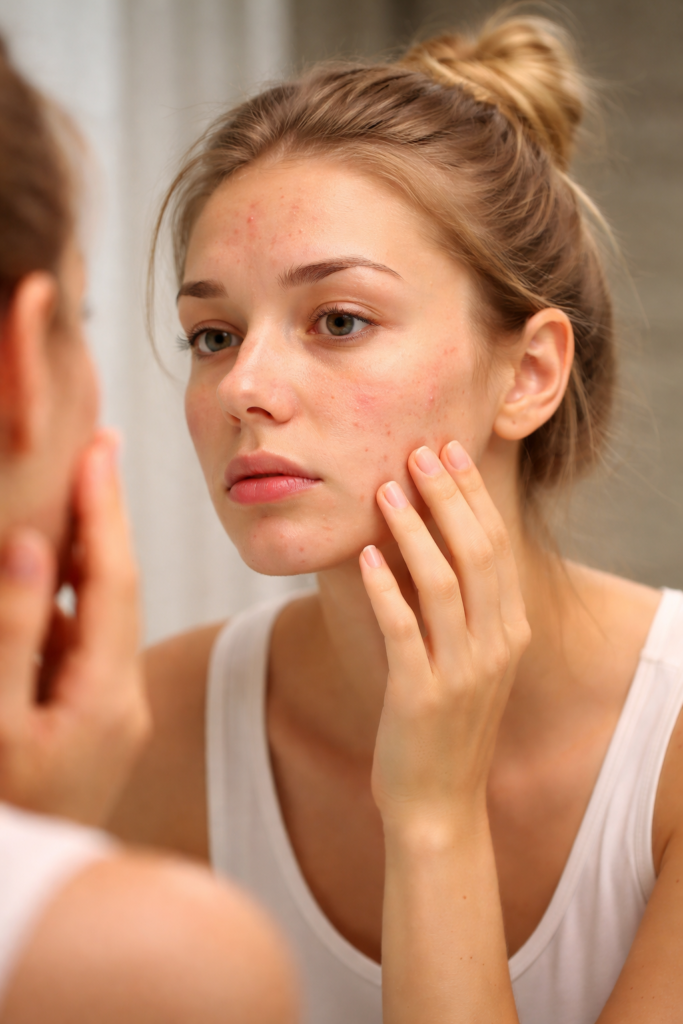
Common Misconceptions About Acne
Let’s break down the most persistent myths and understand the truth behind them.
1. “Acne Is Caused by Dirt”
A widespread myth is that acne appears because your skin is dirty. This is false. Acne forms when pores become clogged with oil, dead skin cells, and bacteria, not dirt.
Over-washing or scrubbing aggressively can irritate the skin and trigger even more oil production, worsening breakouts. Gentle cleansing is key.
Tip: Use mild cleansers and avoid harsh scrubs. Subtle hydration from light body care products can help maintain skin balance and prevent irritation, especially on areas like the back or shoulders.
2. “You Should Pop Pimples to Make Them Go Away”
Squeezing pimples can cause more harm than good:
- Spreads bacteria to nearby areas
- Increases inflammation
- Can result in scarring
Instead, focus on consistent, gentle care and allow your skin to heal naturally. Targeted treatments combined with subtle, hydrating body care can support skin repair and reduce irritation.
3. “Acne Only Happens During Teen Years”
Adult acne is real and affects many people well into their 30s and 40s. Hormonal fluctuations, stress, diet, and certain cosmetic or skincare products are common triggers for adult breakouts.
Tip: Maintain a balanced skin routine and avoid harsh products. Light, non-comedogenic moisturizers help protect and soothe acne-prone skin.
4. “Diet Doesn’t Affect Acne”
While acne isn’t caused by a single food, research indicates that diet can play a role:
- High-glycemic foods like sugar and refined carbs may exacerbate breakouts
- Dairy may affect some individuals
- Hydration and nutrient-rich foods support skin resilience
Balanced nutrition, combined with gentle daily care, helps your skin stay healthy and more resistant to flare-ups.
5. “All Acne Products Work Immediately”
Many people expect instant results from creams, serums, or treatments. The truth: most acne products take weeks to show noticeable improvement.
Overuse of harsh treatments can irritate the skin and trigger rebound breakouts. Gentle, consistent care paired with targeted acne solutions is far more effective.
6. “Sun Exposure Clears Acne”
While tanning may temporarily mask redness or dry out blemishes, it damages skin over time, increasing inflammation and the risk of hyperpigmentation.
Instead, use broad-spectrum SPF daily, and support skin with gentle hydration and barrier-friendly care to promote healing.
How to Build a Gentle Routine for Acne-Prone Skin
The key to managing acne is consistency and gentle care. A structured, realistic routine may include:
- Cleanse Twice Daily: Remove dirt and oil without over-stripping your skin.
- Hydrate Daily: Use non-comedogenic moisturizers to keep skin barrier intact.
- Target Breakouts Carefully: Spot treatments or gentle acids can help without irritation.
- Protect from Sun: Broad-spectrum SPF prevents dark spots and supports healing.
- Support Overall Skin Health: Subtle hydration for areas like the chest, back, and shoulders keeps skin balanced.
Even small, consistent steps make a significant difference over time.
Slow, Gentle Progress Is Effective
Acne improvement is rarely instant. Skin heals gradually, and gentle care supports long-term clarity:
- Reduced inflammation and redness
- Healthier skin barrier function
- Fewer breakouts over time
Patience is key. Subtle care, like using hydrating, gentle formulations, complements active treatments and helps skin recover without stress.
FAQs About Acne
Q1: Can acne-prone skin be moisturized?
Yes! Hydration is essential, even for oily or acne-prone skin. Non-comedogenic moisturizers protect the skin barrier, prevent irritation, and support healing.
Q2: Are all acne treatments harsh?
Not necessarily. Many treatments are designed to work gradually. Combining them with gentle care ensures effectiveness without damaging the skin barrier.
Q3: How long does it take to see results?
Visible improvement typically occurs after 4–6 weeks of consistent care. Internal support begins earlier, even if changes aren’t immediately obvious.
Q4: Can body care help facial acne?
Indirectly, yes. Maintaining hydrated, healthy skin on the chest, back, and shoulders prevents irritation and supports overall skin resilience.
Q5: When should I see a dermatologist?
Seek professional help if acne is severe, cystic, scarring, or persistent despite gentle care and over-the-counter treatments.
Subtle Tips for Gentle Care
- Avoid hot, drying showers
- Use lightweight, fragrance-free moisturizers
- Pat skin dry instead of rubbing
- Keep routines consistent but simple
- Be patient; gradual improvement is normal
These practices reduce irritation and support the skin’s natural healing processes.
The Bottom Line
Acne is common and complex, but many misconceptions make it harder to manage. By understanding what truly affects your skin — and focusing on gentle, consistent care — you can see real improvement without harsh treatments or extreme routines.
Even subtle, supportive body and skincare habits make a difference: they protect the skin barrier, reduce irritation, and complement targeted acne treatments.
Gentle care, patience, and consistency are your best allies in achieving healthier, more balanced skin.